
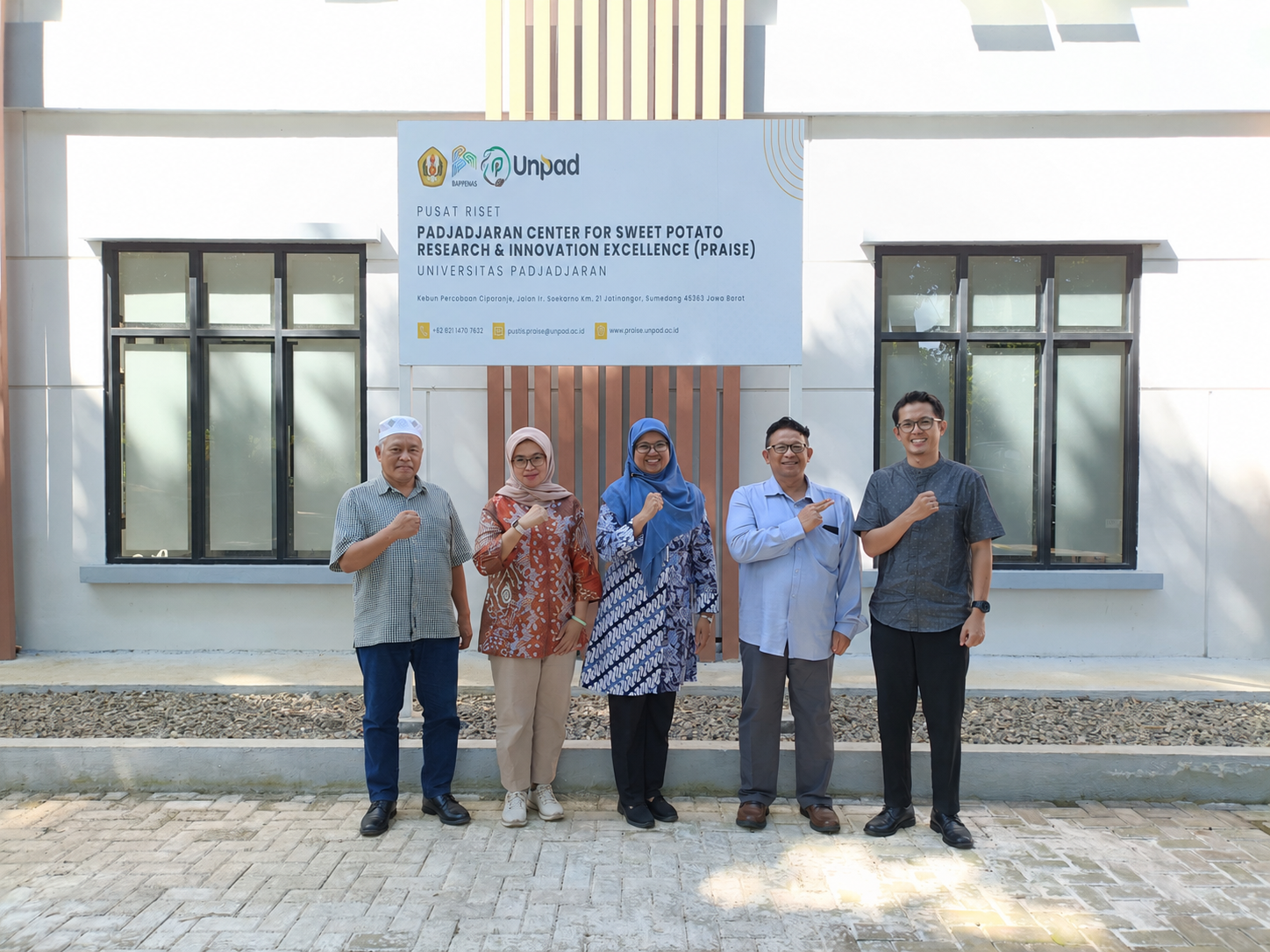
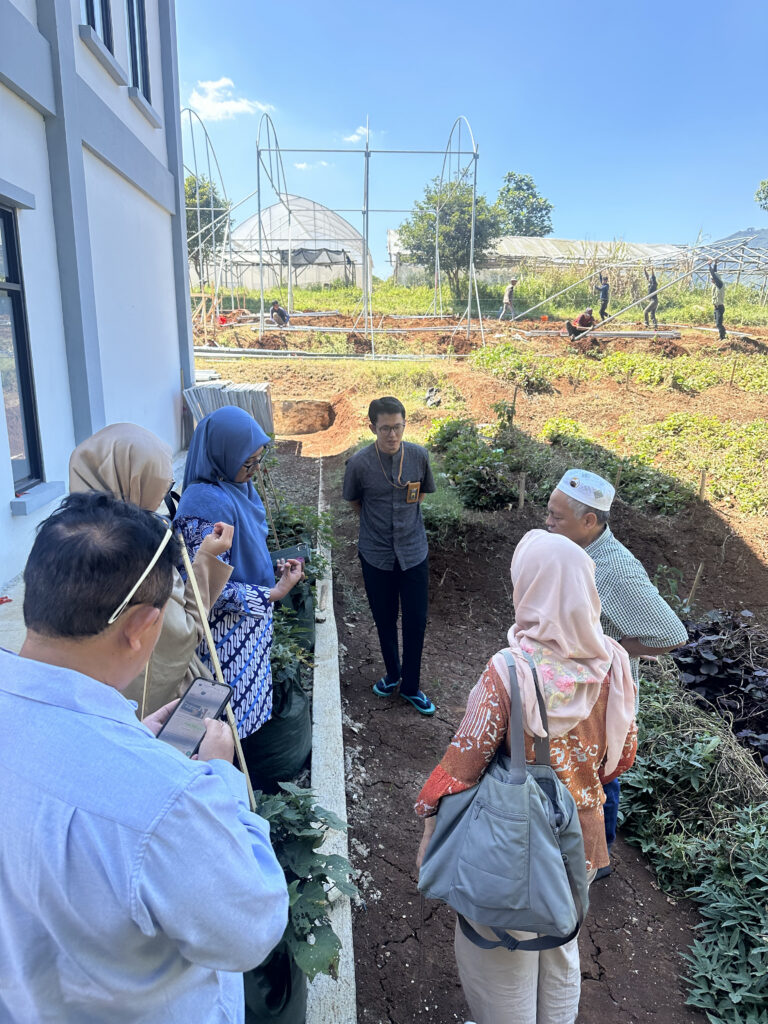
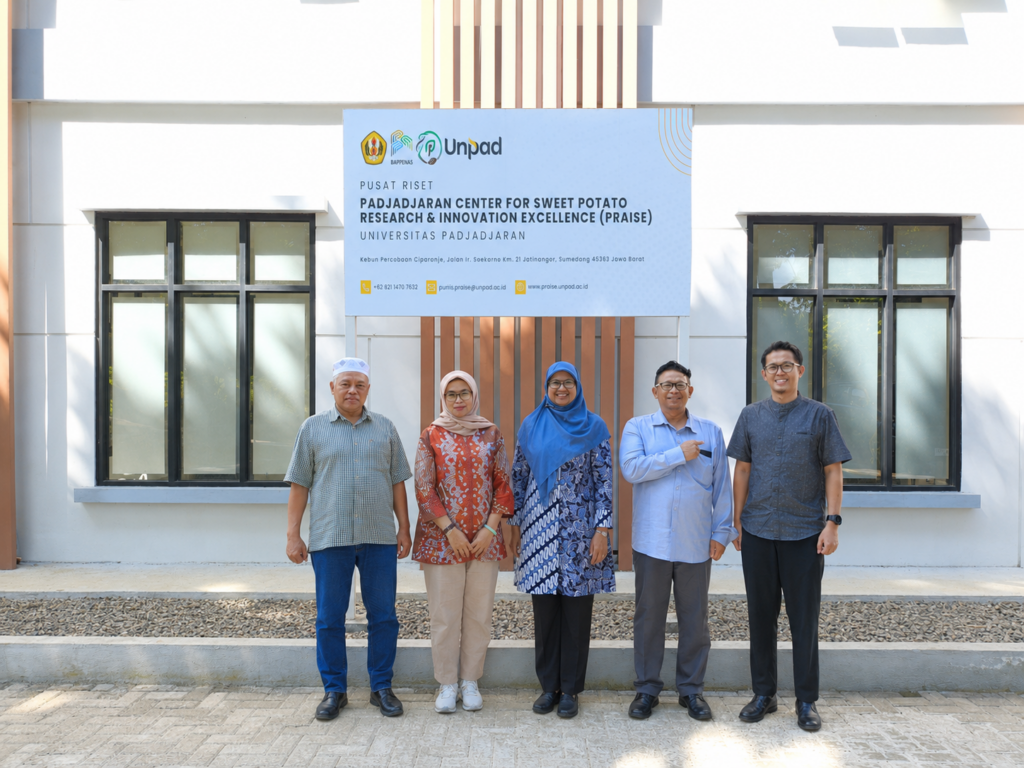
Jatinangor, 15 Juli 2026 — Padjadjaran Center for Sweet Potato Research and Innovation Excellence (PRAISE) Universitas Padjadjaran menerima kunjungan tim Pusat Perlindungan Varietas Tanaman dan Perizinan Pertanian (PPVTPP) Kementerian Pertanian, Jumat (10/7). Pertemuan tersebut membahas berbagai isu strategis, mulai dari pelepasan varietas tanaman, perlindungan hak Perlindungan Varietas Tanaman (PVT), komersialisasi hasil riset, hingga perkembangan regulasi edit genom/genome editing di Indonesia.
Tim PPVTPP dipimpin Ketua Tim Kerja Pelepasan Varietas Tanaman Wiji Astutiningsih, S.P., M.P., serta Ketua Tim Kerja Pengelolaan PVT Dr. Nina Agusti Widaningsih, S.P., M.P. Kedatangan tim PPVTPP disambut oleh Kepala Pusat Riset PRAISE Unpad, Prof. Dr.sc.agr. Ir. Agung Karuniawan, M.Sc.Agr., Sekretaris PRAISE, Arif Affan Wicaksono, S.P., M.Agr., Bendahara sekaligus ketua tim pelepasan varietas PRAISE, Dr. Debby Ustari, S.P., M.P., Kepala Divisi Pemuliaan & Genetika PRAISE, Prof. Ir. Dedi Ruswandi, M.Sc., Ph.D., serta para tim asisten. Kunjungan ini sekaligus menjadi tindak lanjut kerja sama dengan Universitas Padjadjaran terkait rencana pelepasan varietas, perlindungan hak PVT, dan komersialisasi hasil penelitian yang dikembangkan kampus, termasuk inovasi cabai tahan panas dan tahan antraknosa dalam program SATREPS dan CabTech.
Salah satu topik utama yang dibahas adalah perkembangan regulasi tanaman hasil genome editing. Dalam diskusi tersebut dijelaskan bahwa hingga saat ini Indonesia belum memiliki regulasi khusus yang mengatur tanaman hasil genome editing. Regulasi yang berlaku masih berfokus pada Produk Rekayasa Genetik (PRG), sementara pengaturan mengenai genome editing masih dalam tahap pembahasan lintas kementerian dan lembaga.
Tim PVTPP menilai hasil penelitian genome editing yang sedang dikembangkan Universitas Padjadjaran dapat menjadi contoh (case study) dalam penyusunan regulasi nasional. Karena itu, PPVTPP mendorong Unpad agar segera mengajukan tanaman hasil genome editing untuk proses pelepasan varietas maupun perlindungan hak PVT.
Sejalan dengan perkembangan tersebut, PRAISE Unpad tengah mempersiapkan implementasi riset genome editing pada tanaman kunyit melalui kerja sama riset dengan Sensient Colors LLC (Amerika Serikat) dan kolaborasi multidisiplin bersama Fakultas Farmasi Universitas Padjadjaran. Penelitian ini diarahkan untuk menghasilkan varietas kunyit unggul sebagai sumber pewarna alami dengan karakteristik kandungan kurkuminoid yang lebih tinggi, stabilitas pigmen yang lebih baik, serta produktivitas yang sesuai dengan kebutuhan industri pangan dan bahan baku alami. Sebagai bagian dari strategi hilirisasi inovasi, varietas hasil genome editing yang dihasilkan nantinya direncanakan untuk memperoleh perlindungan Hak Perlindungan Varietas Tanaman (PVT) sehingga memiliki kepastian hukum dalam proses komersialisasi dan pemanfaatannya oleh industri.
Dalam pertemuan tersebut juga disampaikan bahwa proses perakitan tanaman hasil genome editing di Unpad saat ini masih berada pada tahap seleksi generasi M2. Sementara tanaman hasil mutasi generasi lanjut (M4) diharapkan dapat segera didaftarkan sebagai langkah untuk mempercepat lahirnya regulasi genome editing di Indonesia.
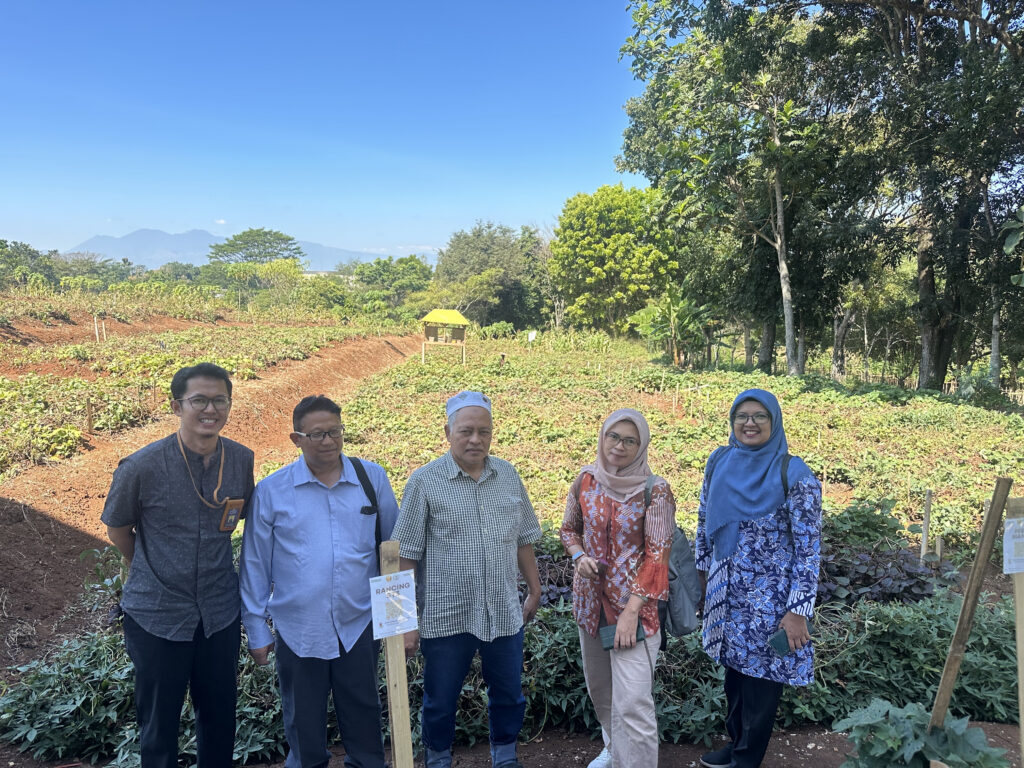
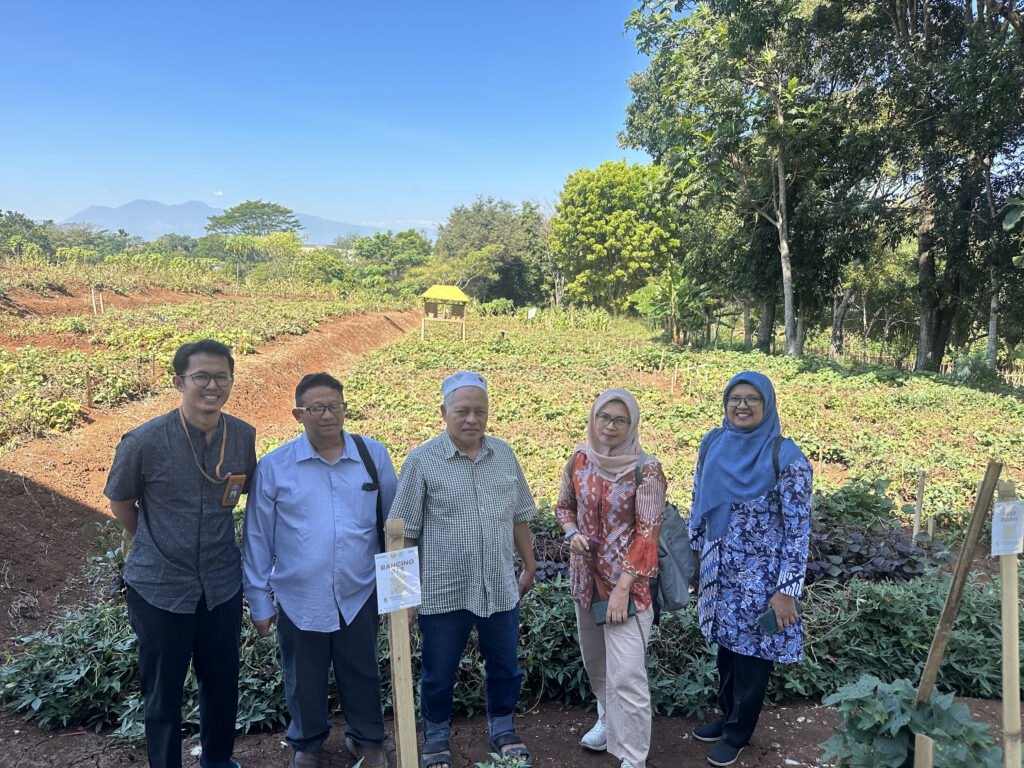
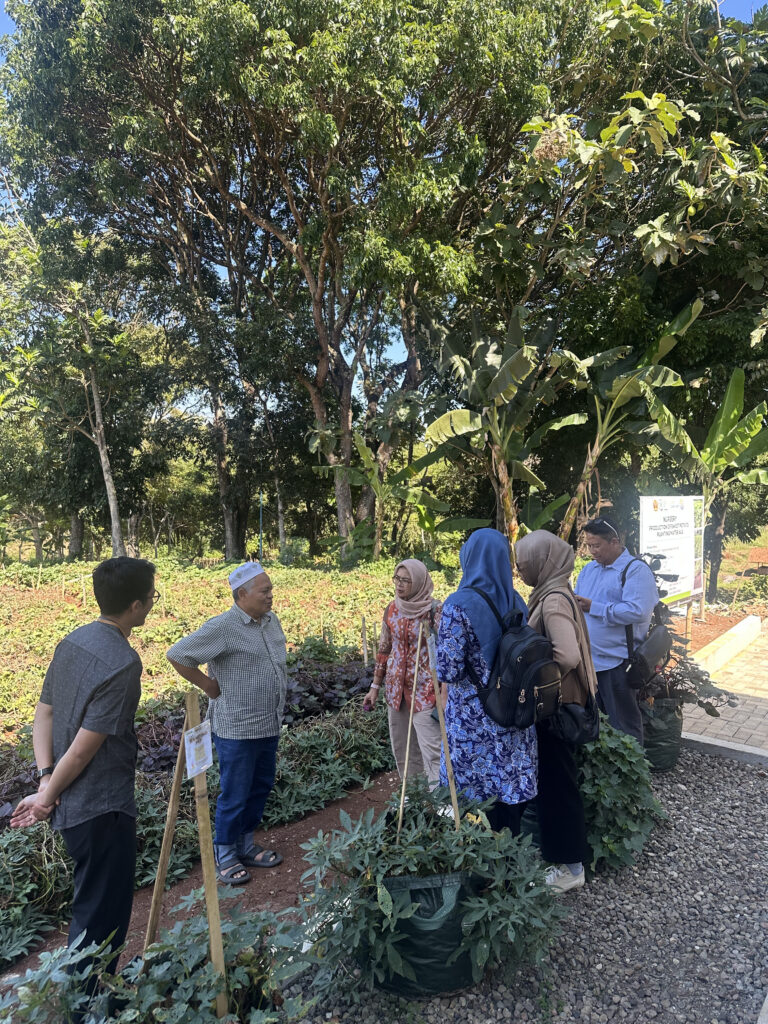
Selain membahas inovasi, diskusi juga menyoroti pengelolaan plasma nutfah ubi jalar yang menjadi salah satu fokus riset PRAISE. Tim PPVTPP menegaskan bahwa pengelolaan plasma nutfah merupakan tanggung jawab negara. Keberagaman koleksi ubi jalar yang dimiliki PRAISE, baik berasal dari varietas lokal maupun introduksi dari berbagai negara serta hasil pemuliaan tanaman, dinilai sebagai sumber daya genetik yang penting untuk menghasilkan varietas unggul baru dengan karakter fungsional tertentu.
Agenda berikutnya membahas pendampingan perlindungan varietas tanaman bagi Universitas Padjadjaran. Dalam program Bimbingan Teknis PVT yang sebelumnya diselenggarakan bersama Kementerian Pendidikan Tinggi, Sains, dan Teknologi, tiga varietas hasil pemuliaan Unpad berhasil lolos seleksi, yaitu jagung Jagratara Prima, ubi jalar Biang, dan ubi jalar Karotena. Ketiga varietas tersebut kini telah masuk dalam sistem pendaftaran, meski masih memerlukan penyempurnaan dokumen administrasi.
Kunjungan ini sekaligus menjadi coaching clinic bagi tim Unpad untuk melengkapi persyaratan pendaftaran PVT. Setelah seluruh dokumen dinyatakan lengkap, varietas akan memperoleh surat perlindungan sementara sebelum memasuki tahapan pengumuman resmi dan pengujian BUSS (Baru, Unik, Seragam, dan Stabil).
Dalam diskusi juga dijelaskan bahwa proses perlindungan varietas tanaman dan pelepasan varietas merupakan dua mekanisme yang berbeda. Pelepasan varietas bersifat wajib, sedangkan perlindungan PVT bersifat opsional karena diatur dalam peraturan perundang-undangan yang berbeda. Sementara itu, varietas lokal wajib didaftarkan sebagai bagian dari upaya perlindungan kekayaan plasma nutfah Indonesia.
Melalui pertemuan ini, PRAISE Unpad dan PPVTPP berharap penguatan sinergi antara perguruan tinggi dan pemerintah dapat mempercepat hilirisasi hasil riset, memperkuat perlindungan terhadap varietas unggul nasional, serta mendorong lahirnya kebijakan yang adaptif terhadap perkembangan teknologi pemuliaan tanaman di Indonesia. Kolaborasi ini juga mencerminkan komitmen Universitas Padjadjaran dalam mendukung pencapaian Sustainable Development Goals (SDGs), khususnya SDG 2 (Zero Hunger) melalui pengembangan varietas tanaman unggul untuk mendukung ketahanan pangan, SDG 9 (Industry, Innovation and Infrastructure) melalui penguatan riset, inovasi, dan perlindungan kekayaan intelektual hasil pemuliaan tanaman, serta SDG 17 (Partnerships for the Goals) melalui sinergi antara perguruan tinggi, pemerintah, dan mitra industri dalam membangun ekosistem inovasi pertanian. Penguatan sistem pelepasan varietas, perlindungan Hak Perlindungan Varietas Tanaman (PVT), dan pengembangan regulasi genome editing diharapkan dapat mempercepat hilirisasi hasil penelitian, meningkatkan daya saing pertanian Indonesia, serta mendorong lahirnya inovasi yang berkelanjutan bagi masyarakat dan industri.
From Genome Editing to Plant Variety Protection: PRAISE Unpad and the Ministry of Agriculture’s PPVTPP Strengthen Strategic Collaboration
Jatinangor, 15 July 2026 — The Padjadjaran Center for Sweet Potato Research and Innovation Excellence (PRAISE), Universitas Padjadjaran, welcomed a delegation from the Center for Plant Variety Protection and Agricultural Licensing (PPVTPP), Ministry of Agriculture of the Republic of Indonesia, on Friday, 10 July 2026. The meeting focused on a range of strategic issues, including plant variety release, Plant Variety Protection (PVP) rights, commercialization of research outputs, and the development of genome editing regulations in Indonesia.
The PPVTPP delegation was led by Wiji Astutiningsih, S.P., M.P., Head of the Plant Variety Release Division, and Dr. Nina Agusti Widaningsih, S.P., M.P., Head of the Plant Variety Protection Management Division. They were welcomed by Prof. Dr.sc.agr. Ir. Agung Karuniawan, M.Sc.Agr., Head of PRAISE; Arif Affan Wicaksono, S.P., M.Agr., Secretary of PRAISE; Dr. Debby Ustari, S.P., M.P., Treasurer of PRAISE and Chair of the Plant Variety Release Team; Prof. Ir. Dedi Ruswandi, M.Sc., Ph.D., Head of the Breeding and Genetics Division; together with the PRAISE research team. The visit also served as a follow-up to the collaboration between PPVTPP and Universitas Padjadjaran regarding plant variety release, Plant Variety Protection, and the commercialization of research innovations developed by the University, including heat- and anthracnose-resistant chili pepper varieties under the SATREPS and CabTech programs.
One of the primary topics discussed was the regulatory framework for genome-edited crops. During the meeting, PPVTPP explained that Indonesia has not yet established specific regulations governing genome-edited plants. Existing regulations remain focused on Genetically Engineered Products (GEPs), while a dedicated regulatory framework for genome editing is still under inter-ministerial and cross-agency discussion.
The PPVTPP team recognized that the genome editing research currently being developed at Universitas Padjadjaran could serve as an important case study in formulating Indonesia’s future genome editing regulations. Accordingly, PPVTPP encouraged Universitas Padjadjaran to prepare genome-edited plant materials for both plant variety release and Plant Variety Protection (PVP) registration.
In line with these developments, PRAISE Universitas Padjadjaran is preparing to initiate a genome editing research program on turmeric through a collaborative research partnership with Sensient Colors LLC (USA), in collaboration with the Faculty of Pharmacy, Universitas Padjadjaran. The project aims to develop superior turmeric varieties as sustainable sources of natural colorants with enhanced curcuminoid content, improved pigment stability, and higher productivity to meet the growing demands of the food and natural ingredient industries. As part of PRAISE’s downstream innovation strategy, the resulting genome-edited varieties will be prepared for Plant Variety Protection (PVP) to ensure legal certainty for future commercialization and industrial utilization.
The meeting also highlighted that genome-edited plants currently being developed at Universitas Padjadjaran are still at the M2 generation selection stage, while advanced mutant lines at the M4 generation are expected to be submitted for registration in the near future as part of efforts to accelerate the establishment of a national regulatory framework for genome-edited crops.
Beyond genome editing, the discussion also focused on the management of sweet potato germplasm, one of PRAISE’s major research priorities. The PPVTPP team emphasized that germplasm conservation is a national responsibility. PRAISE’s diverse collection of sweet potato germplasm—including local varieties, introduced accessions from various countries, and breeding materials—was recognized as an invaluable genetic resource for developing superior varieties with desirable functional traits.
The next agenda focused on strengthening support for Plant Variety Protection at Universitas Padjadjaran. Through the Plant Variety Protection Technical Assistance Program, previously organized in collaboration with the Ministry of Higher Education, Science, and Technology, three plant varieties developed by Universitas Padjadjaran successfully passed the initial selection process: Jagratara Prima maize, Biang sweet potato, and Karotena sweet potato. These varieties have now entered the official registration system, although several administrative documents still require completion.
The visit also served as a coaching clinic for the Universitas Padjadjaran team to finalize the documentation required for PVP registration. Once all administrative requirements have been completed, the varieties will receive temporary protection certificates before proceeding to the official publication stage and DUS (Distinctness, Uniformity, and Stability) testing.
During the discussion, PPVTPP also clarified that plant variety release and Plant Variety Protection (PVP) are two separate legal mechanisms. Plant variety release is mandatory before commercialization, whereas PVP registration is optional because it is governed under a separate legal framework. In contrast, local varieties must be officially registered as part of Indonesia’s efforts to protect its national plant genetic resources.
Through this meeting, PRAISE Universitas Padjadjaran and PPVTPP reaffirmed their commitment to strengthening collaboration between universities and government institutions to accelerate research commercialization, enhance the protection of nationally developed superior varieties, and promote regulatory frameworks that keep pace with advances in modern plant breeding technologies.
The collaboration also reflects Universitas Padjadjaran’s commitment to advancing the United Nations Sustainable Development Goals (SDGs), particularly SDG 2 (Zero Hunger) through the development of superior crop varieties that support food security, SDG 9 (Industry, Innovation and Infrastructure) by strengthening research, innovation, and intellectual property protection in plant breeding, and SDG 17 (Partnerships for the Goals)by fostering strategic collaboration among universities, government agencies, and industry partners to build a sustainable agricultural innovation ecosystem. Strengthening plant variety release systems, Plant Variety Protection (PVP), and genome editing regulations is expected to accelerate the downstream commercialization of research outputs, enhance the competitiveness of Indonesia’s agricultural sector, and promote sustainable innovations that benefit both society and industry.
No responses yet